Context

AI-powered mesh generation for engineering simulation

deepmesh is designed to automate high-quality mesh generation for CAE and CFD workflows, reducing preparation effort while improving consistency and simulation readiness.

Major cost & reliability driver.

Mesh generation is foundational for high-fidelity simulations. Its quality directly affects numerical accuracy, stability, and computational efficiency.

Meshing is still a bottleneck

Traditional mesh generation remains expert-driven, time-consuming, and difficult to scale across complex geometries.

Local detail. Global structure.

deepmesh combines graph-based structures and transformer-style architectures to reason across both geometric detail and full context awareness.

Built for CAE and CFD workflows

The tool is being designed for engineering simulation teams and is currently in R&D, aiming toward a beta release in early 2028.
deepmath

Why deepmesh?

Meshing is still the hidden bottleneck in engineering simulation.

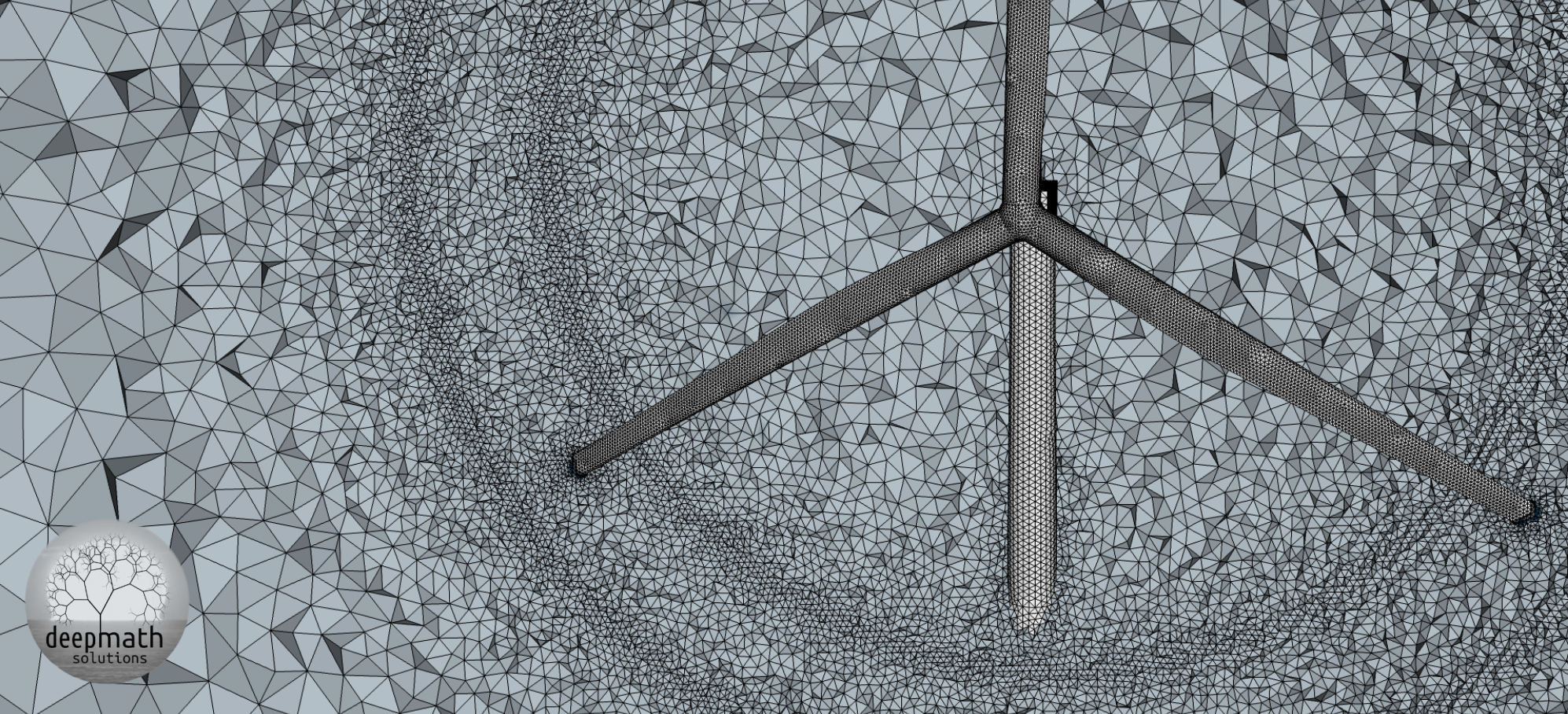
Mesh quality directly affects numerical accuracy, solver stability, and computational efficiency. Poor meshes can lead to unreliable results, excessive compute cost, or repeated manual correction cycles.

Mesh generation remains one of the most complex and time-consuming steps in CAE and CFD workflows. For advanced simulation projects, it can consume a major share of highly qualified engineering effort before the solver even runs.

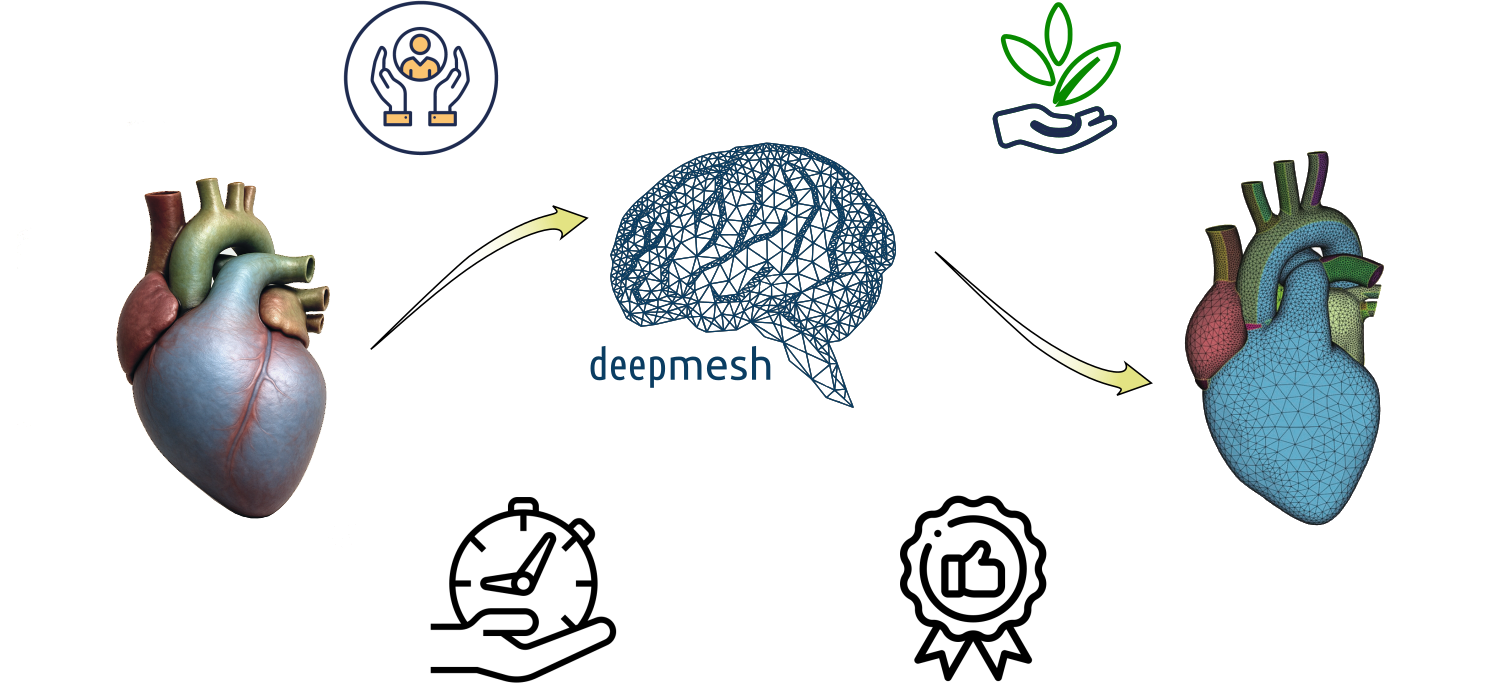
deepmesh workflow from anatomical geometry to AI-assisted meshed simulation model

Modern AI creates a path beyond rule-based meshing tools. deepmesh is being developed to learn from geometry and mesh structure, helping automate high-quality mesh generation for real engineering simulation workflows.

By producing high-quality meshes in significantly shorter preparation times, deepmesh helps engineers focus on their most strategic work, improve solver efficiency, reduce compute demand, and support lower-energy simulation workflows.

deepmath

How it works

deepmesh combines GNNs and Transformers with bottom-up mesh generation.

The model is trained first on industrial mesh datasets, learning current engineering standards for geometry discretization, element distribution, and mesh topology.

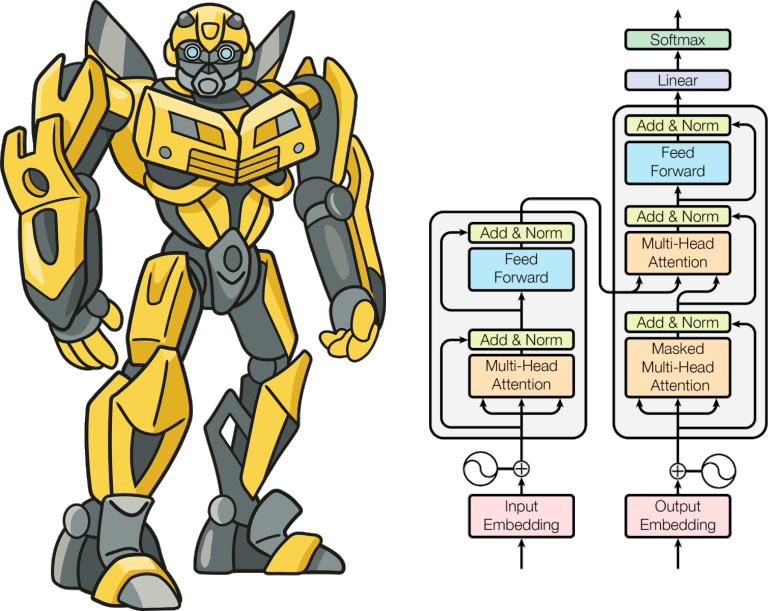
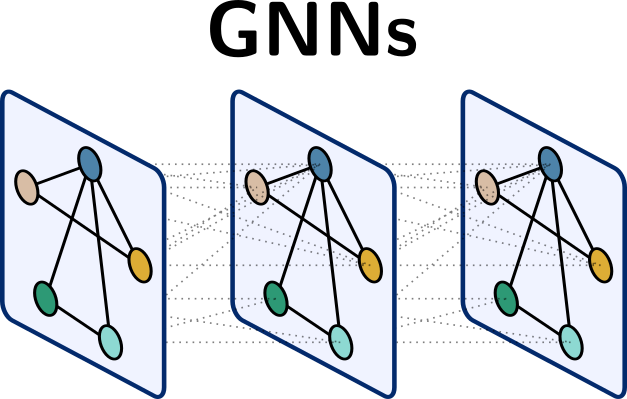
deepmesh uses a hybrid AI architecture combining Graph Neural Networks and Transformers to learn both local geometric detail and global mesh structure.

Graph neural network architecture concept diagram Transformer neural network architecture concept diagram

A self-learning phase then lets the system generate, evaluate, and improve its own meshes, targeting higher quality, better automation, and stronger simulation readiness.

A specialized software agent guides generation from lines to surfaces to volumes, helping ensure numerical quality, solver stability, and compliance with engineering simulation constraints.

Current State

Validated foundational technology in controlled environments.

deepmesh has reached a controlled proof-of-concept stage for intelligent mesh generation. The current prototype combines Graph Neural Networks and Transformer architectures to learn both local geometric relationships and global mesh structure, then generates meshes iteratively through an advancing-front-inspired process.

The system has been validated on 2D planar geometries, producing complete and coherent meshes under controlled conditions. Current work now focuses on improving local mesh quality, scaling training beyond the initial dataset slice, and extending the approach to non-planar surfaces and full 3D geometries.

R&D Roadmap

Scaling toward industrial 3D engineering workflows.

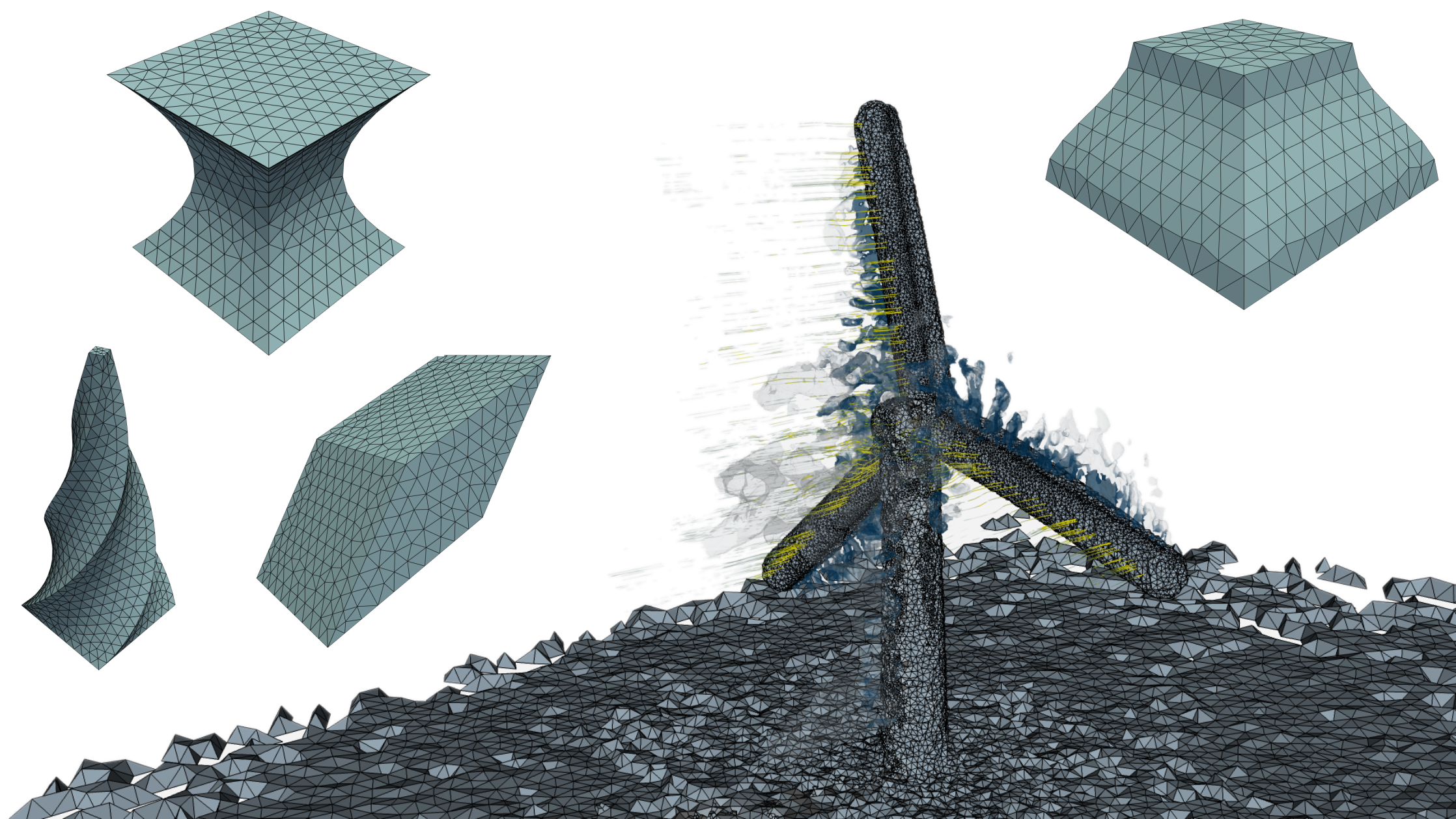
Roadmap visualization showing meshed geometry samples and an offshore turbine simulation

The next phase of deepmesh development extends the validated 2D foundation toward non-planar surfaces, full 3D geometries, and real engineering inputs.

The roadmap combines model scaling, self-learning strategies, industrial datasets, benchmark suites, and prototype development.

By 2028, the objective is to bring an end-to-end prototype into early industrial use, capable of processing complex engineering geometries, applying intelligent meshing parameters, running quality checks, and supporting beta deployment with pilot users.

Website publisher: deepmath solutions, SAS with share capital of 25,000 EUR.

Registered office: 1 RUE DE LA NOE, 44300 NANTES, France.

SIREN: 982 168 940
SIRET: 982 168 940 00012
RCS: 982 168 940 R.C.S. Nantes
VAT number: FR09982168940

Publication director: Liad Paskin, President.

Contact: liadpaskin@deepmath.tech

Hosting provider: GoDaddy, 100 S. Mill Ave, Suite 1600, Tempe, AZ 85281, United States.

Accessibility

deepmath aims to make this website accessible and usable for as many visitors as possible. We are continuing to improve the site's structure, keyboard navigation, responsive behavior, contrast, and media alternatives.

If you experience an accessibility issue or need information in another format, contact us at liadpaskin@deepmath.tech and include the page address, the issue encountered, and the assistive technology or browser you are using where relevant.

Our website does not currently use non-essential cookies, advertising pixels, or cross-site tracking technologies. Hosting, security, or browser-level technologies may process limited technical information that is necessary to deliver and protect the site.

If we introduce analytics, advertising, embedded third-party tools, or other non-essential cookies in the future, we will update this notice and request consent where required before those technologies are used.